 By taxclubadmin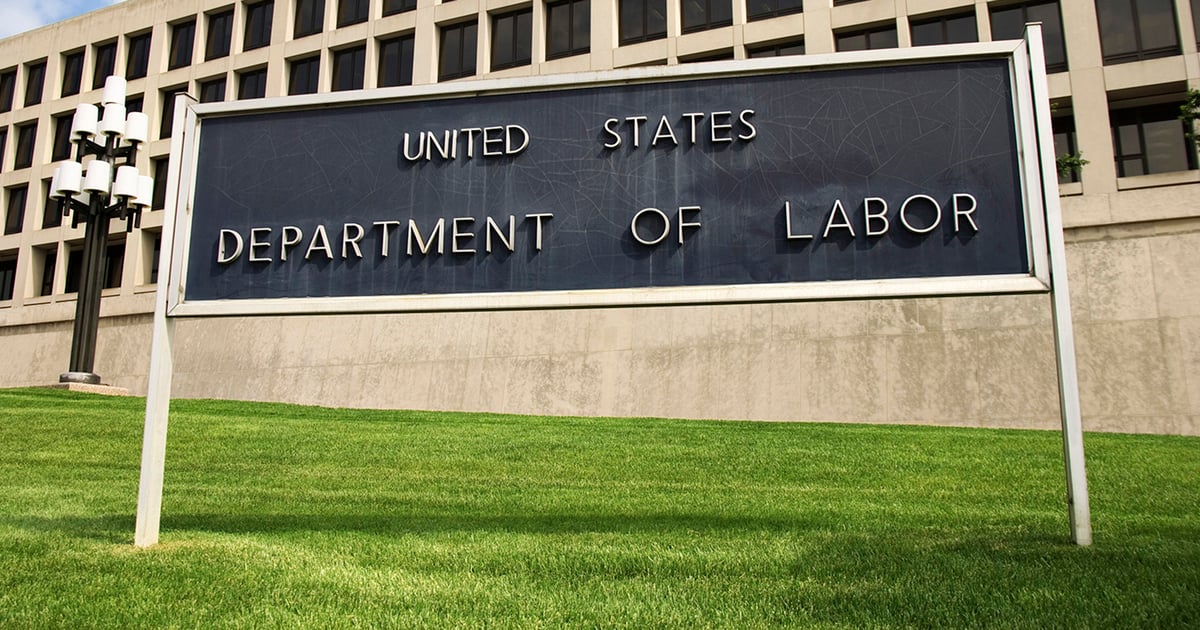
The Trump administration’s Department of Labor has “no current plans” for its own iteration of a fiduciary rule after Texas federal courts vacated the Biden-era iteration.
In the wake of the ruling this week, the Labor Department’s Employee Benefits Security Administration removed the Biden-era 2024 rule from the Code of Federal Regulations.
In a statement, Assistant Labor Secretary for Employee Benefits Security Daniel Aronowitz said the rule “wrongly sought to impose ERISA fiduciary status on securities brokers and insurance agents when there was not a relationship of trust and confidence.”
“The Securities and Exchange Commission and state regulators regulate the activities of securities brokers and insurance agents and will continue to do so,” he said.
Although the department has no plans to move forward “in notice and comment rulemaking” in this regard, the department did leave open the possibility that it would consider whether “any additional guidance, including transitional or non-enforcement relief, is appropriate.”
Additionally, the Trump administration issued executive orders encouraging federal agencies to forego the typical notice-and-comment period when finalizing rule repeals they considered “facially unlawful.”
The DOL’s reversal essentially reverts the current ERISA standard to the “five-part test” originally passed in 1975 to determine whether certain recommendations should be regulated under ERISA’s fiduciary status.
If the current DOL doesn’t move forward with a version of a fiduciary rule, it would be the first administration of the last three (including Trump’s first term) not to pass one, only for it to be abandoned by the following administration (and in the case of the Biden and Obama-era rules, vacated by Texas federal courts).
The Obama administration passed its version of the rule in 2016, only for it to be overturned in 2018 (with the then-Trump administration declining to appeal). Trump’s DOL unveiled its own iteration in the closing weeks of his term in 2020. However, consumer advocates initially criticized the rule, worrying that it weakened investor protections, as well as insurers, who feared it would extend ERISA standards to include some rollover recommendations.
In 2023, the Biden administration unveiled its version of a fiduciary rule, with President Joe Biden framing it as a way to curb so-called “junk fees” in the form of high (and potentially unsuitable) commissions.
The rule was slated to take effect in September 2024, but opponents (including the Federation of Americans for Consumer Choices, a Texas-based lobbying group for independent insurance professionals) filed suit in Texas to quash it. Other plaintiffs included the Financial Services Institute, SIFMA and the American Council of Life Insurers.
In November, the Trump Labor Department moved to dismiss its appeal of the Texas federal summer 2024 court decision to pause the Biden-era rule while litigation played out. The final step came this week, when a Texas district court vacated the rule and the associated prohibited transaction exemptions.
In response to the DOL’s announcement this week, ACLI President and CEO David Chavern said the move “protects consumers and their access to information about financial protection,” while lauding the DOL’s leadership, including Labor Secretary Lori Chavez-DeRemer.