 By taxclubadmin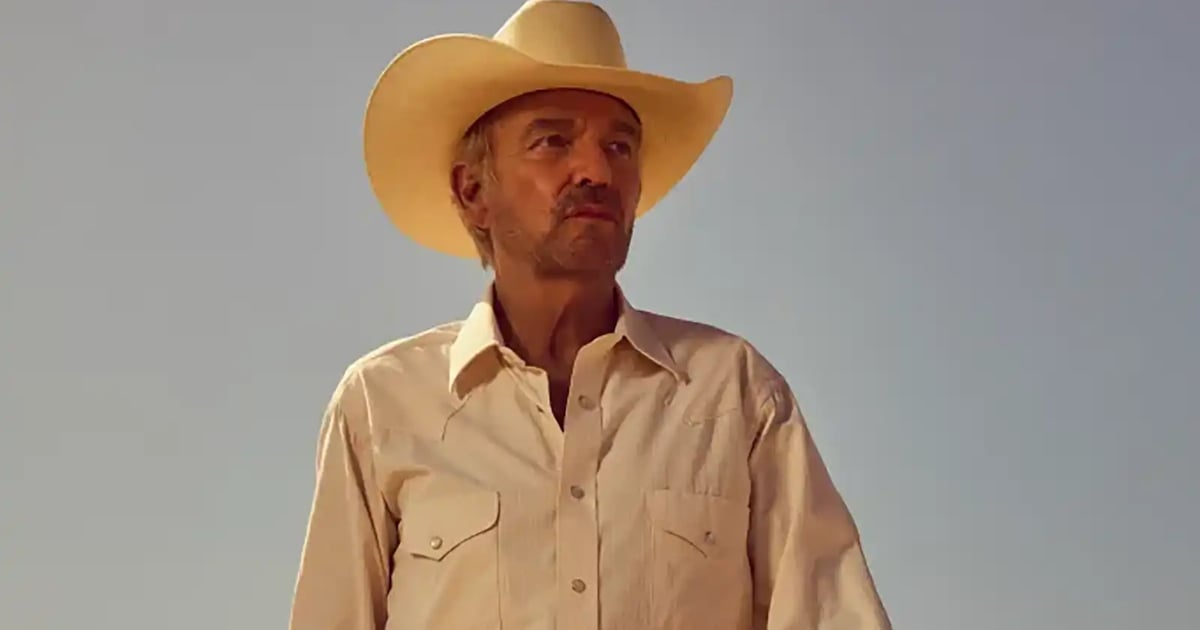
Beyond the drama and beautiful Fort Worth, Texas scenery, Landman offers valuable lessons for business owners, showcasing how business succession planning can go wrong.
Warning: If you haven’t watched the show and plan to, you may want to come back to this post later, as I’m about to dive into some spoilers.
Landman follows Tommy Norris (played by Billy Bob Thornton), the landman for M-Tex Oil, operating primarily in the Permian Basin. The company’s owner, Monty, runs the business out of Fort Worth and is known for making bold business decisions. While others call it luck, Tommy reminds us repeatedly that Monty’s success comes from instinct, an intuition few people have.
At the end of Season One, Monty suffers a heart attack that leaves him incapacitated, and he ultimately passes away. While at the hospital, his attorney outlines Monty’s succession plan:
-
Tommy is to be named president of M-Tex Oil and tasked with facilitating the sale of the company.
-
Sale proceeds are split between a foundation run by Monty’s wife, Cami, and a trust administered by Tommy.
On paper, the legal plan looks solid. But Monty failed to adequately prepare Cami to emotionally let go, and that’s where everything starts to unravel. Cami resists selling. She explains that Monty didn’t care about being remembered for money, but for what it could be used for, and she wants the world to remember him. This is where things start to get messy and real-life lessons emerge, especially for business owners.
Three Lessons
Lesson 1: Monty made major decisions without including or training his successors. Before Monty’s death, M-Tex suffered an offshore rig blowout—something Tommy knew nothing about. Insurance paid roughly $420 million related to the offshore rig blowout. However, Monty had already spread those funds across multiple private equity investments, leaving the company scrambling when questions later arose about how the money tied to the rig loss had been used.
After Monty’s death, the insurance company began asking questions about the payout and the circumstances surrounding the rig loss. When M-Tex’s attorneys reviewed the documents, they discovered that Cami’s name appeared on the offshore rig paperwork, meaning she had technically approved the arrangement. However, she had signed the documents without fully understanding how the deal was structured or where the money had been invested.
As Cami searched for the funds, she learned the money couldn’t be accessed quickly without significant penalties. The company was forced to choose between years of litigation or borrowing nearly $400 million to wildcat drill with only about a 10% chance of success. Under intense pressure and without clear guidance, Cami ultimately chose an investor with cartel ties who structured the deal to benefit himself whether the company succeeded or failed.
Monty’s failure to prepare his successors for these critical decisions left them scrambling without context or clarity, ultimately setting the stage for the company’s unraveling.
Lesson 2: Leadership and grief don’t mix well. Monty’s plan placed his wife in a leadership role at the most vulnerable moment of her life. Cami is smart, capable and driven, but she’s also grieving. Grief and high-stakes business decisions are a dangerous combination.
Monty structured the business to be sold so Cami wouldn’t have to carry the burden. But he never addressed the “why” with her and didn’t articulate his goals after death. Like many people, he likely assumed there would be more time, but there wasn’t.
As a result, Cami is left trying to interpret what Monty would have wanted, relying on past conversations and memories rather than clear direction. That emotional weight clouds judgment, not because of a lack of intelligence or ability, but because grief changes how decisions are made.
This is a powerful reminder that family isn’t always the best choice to lead a business immediately after an owner’s death, especially if they’re left without guidance. Sometimes the more responsible decision is to place leadership in the hands of someone who knows the business, is fully prepared, understands the risks and can act decisively—while the family is given space to grieve.
Lesson 3: Monty failed to build a team-based succession plan. He never developed a strong team mindset for the company’s future leaders, which becomes evident as Cami slowly stops listening to the team Monty built. Tommy was Monty’s right-hand man for a reason. He knew the business, the basin and the rigs inside and out.
Initially, Cami relies on Tommy’s guidance, but over time, she takes control, strays from his advice and ultimately fires him. That decision changes everything. By the end of Season Two, Tommy leaves, takes key team members with him and builds a competing company using his son’s rigs, which leaves M-Tex’s future uncertain and sets up a cliffhanger for Season Three.
The Moral
The moral of the story is that legal documents alone don’t prepare the next leaders of your business. That’s exactly why I developed a “Head and Heart” approach to estate and business succession planning. A good plan does more than transfer ownership—it prepares heirs.
If your client owns a business, advise them. to:
-
Choose successors who can carry out the goals the client has put in place.
-
Hold regular check-ins with key team members to discuss major decisions and long-term direction. At The Blum Firm, I regularly meet with the other managing partners to do exactly that.
-
Document major decisions and clearly explain the why behind them.
-
Prepare their successors for success by sharing both successes and failures, fostering a team mindset and instilling the company’s values and vision.
As the business owner, your client is the captain of the ship. Your client built and shaped it into what it is today. Those skills are rare, and the people who lead the business after you will need your client’s insight and direction to sustain its success.
Tommy captured this reality when he warned Cami about drilling for a 10% chance of striking oil. Per Tommy, “Monty could make decisions like that because he had an intuition most people don’t. That kind of instinct is rare. You can’t teach it, and you can’t replace it.”
Your client built their company using skills that can’t be replaced, but the guidance to carry it forward should be shared. Preparing the next generation of leaders isn’t optional; it’s part of your client’s responsibility if they want their company to have a bright future even after they’re gone.